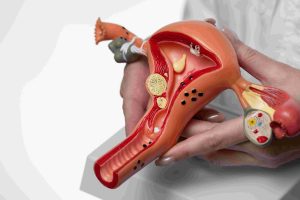
Menstruation tells a woman that she is experiencing a basic part of her reproductive system. Women sometimes notice that their menstrual period changes over time. Still, you need to watch out for any changes in that pattern.
Moreover, identifying abnormal factors allows people to handle these conditions without panicking.
We will talk about the symptoms of irregular period cycle and the 8 types of Abnormal menstruation and their related causes.

What Does an Abnormal Period Mean?
When the menstrual cycle changes from normal healthy behavior, it is called an abnormal menstrual period. Average menstrual cycles last from 21 to 35 days and you can see bleeding for a time that stretches anywhere from 2 to 7 days. That is why healthcare professionals regard periods as unusual when there is extreme heaviness or lightness, unusual changes in time, pain, and unpredictable timing.
The causes of menstrual irregularities are generally hormone fluctuations, health disorders, certain choices, and usual reproductive health issues. If you know about your abnormal menstrual period, it helps ensure you get seen by a medical professional about any potential problems.
Symptoms of Irregular Period Cycle
Any time period during which cycles are shorter than 21 days or longer than 35 days or are very different from month to month is called an irregular period cycle. A hormone change, anxiety, an illness, or a change in your routine can disrupt your cycle. If you are aware of the early changes, you will find out about the problem and be able to request help right away.
Irregular periods or abnormal menses bleeding are typically marked by certain symptoms.
- Absence of a monthly period
- Having more or less blood than normal each month
- Seeing blood between the regular periods
- Differences in how long or short women’s periods are
- Intense menstrual pain
- Swings in mood or getting tired quicker when having your period
- Experiencing discomfort or bloating around your due date
Understanding the Types of Abnormal Menstrual Period
Below are 8 types of Abnormal menstruation with their causes:
1. Menorrhagia (Heavy or Prolonged Periods)
Menorrhagia refers to excessively heavy or prolonged menstrual bleeding. A woman diagnosed with this condition must replace her sanitary pad or tampon every single hour for extended periods that exceed seven days.
Moreover, severe cramps develop in combination with anemia from this condition. The main factors behind heavy or prolonged periods consist of hormonal imbalances and the existence of uterine fibroids.
2. Hypomenorrhea (Light or Short Periods)
The condition known as hypomenorrhea shows minimal bleeding during menstruation, which also has a reduced duration shorter than two days. Why is your period so light? Hormonal contraceptives and stress, together with major weight loss, can cause these symptoms to appear. However, persistently, light periods should be checked with a healthcare provider.
3. Polymenorrhea (Frequent Periods)
It is another type of abnormal menses bleeding. The condition of polymenorrhea affects women who experience menstrual cycles less than 21 days long, thus resulting in regular heavy periods. The presence of thyroid problems, menopause, and ovulation difficulties leads to this condition.
However, a medical examination of frequent bleeding might become necessary to pinpoint the reason behind this situation.
4. Oligomenorrhea (Infrequent Periods)
A doctor medically defines oligomenorrhea as a condition where menstrual periods appear beyond 35-day intervals. Infrequent periods develop from three different causes including polycystic ovary syndrome (PCOS), excessive exercise and eating disorders. A woman’s ability to get pregnant can decrease when her periods appear less than eight times a year while these irregular periods often indicate other medical problems.
5. Amenorrhea (Absence of Periods)
Women between reproductive age should menstruate regularly yet the absence of period cycles is known as amenorrhea. Primary amenorrhea is when a female does not have menstruation at age 15 or older. Secondary amenorrhea happens when a person who usually has periods goes a whole three months without menstruating. Doctors and specialists link pregnancy, breastfeeding, menopause, PCOS, or thyroid issues to this condition.
6. Dysmenorrhea (Painful Periods)
In this, women have heavy and frequent menstrual cramps that appear during menstruation. Menstrual cramps can be called primary dysmenorrhea when they don’t have a medical reason or secondary dysmenorrhea if a cause like endometriosis or fibroids is involved. There are times when treatment for this pain must include physician care.
7. Metrorrhagia (Bleeding Between Periods)
Women may have unexpected bleeding called metrorrhagia between their normal menstrual periods, and they do not experience any warning signs. Improper bleeding results from problems with hormones and can also be caused by fibroids, polyps, or an infection in the uterus.
Visit a doctor to find out what is causing your symptoms and decide on the best treatment.
8. Menometrorrhagia (Heavy and Irregular Bleeding)
A woman presents with both heavy menstrual periods of menorrhagia as well as irregular bleeding of metrorrhagia at the same time in a condition known as menometrorrhagia. Women frequently suffer from strange intervals of menstrual bleeding that lasts excessively long.
The three main potential sources of these symptoms involve conflicting hormones together with the abnormal shape of the uterus or the development of cancerous cells. The medical examination needs immediate assessment to handle this condition properly.
Conclusion
So, these are the 8 types of abnormal menstruation. Understanding the symptoms of your irregular period cycle and the different forms of irregular menstruation is good for your well-being. Any irregular menstruation condition requires immediate medical consultation for diagnosis and the right treatment.
Stay active and maintain your hygiene during periods especially. Use Embrace period pads if you experience any abnormal flows and are worried about stains and leakage.
They are typically made to give you confidence and protection during these days. Please consult your doctor if you notice an unusual period of flow. Early detection is better than regret!