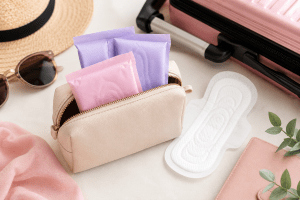
Travel-Friendly Sanitary Pads: Stay Comfortable and Confident Wherever You Go
It can seem difficult to travel on your periods. If you’re traveling to work, going
Have you ever felt an ache in your lower abdomen that just won’t go away?
You might be suffering from Endometriosis. It is a condition that many women suffer from, and it can be a source of chronic pain and discomfort. And yet, many find that they don’t know much about it.
In this blog post, we will explore what endometriosis is, its causes, endometriosis symptoms, and common treatment options.
We will also discuss how to find support and helpful resources as you try to understand and manage endometriosis.
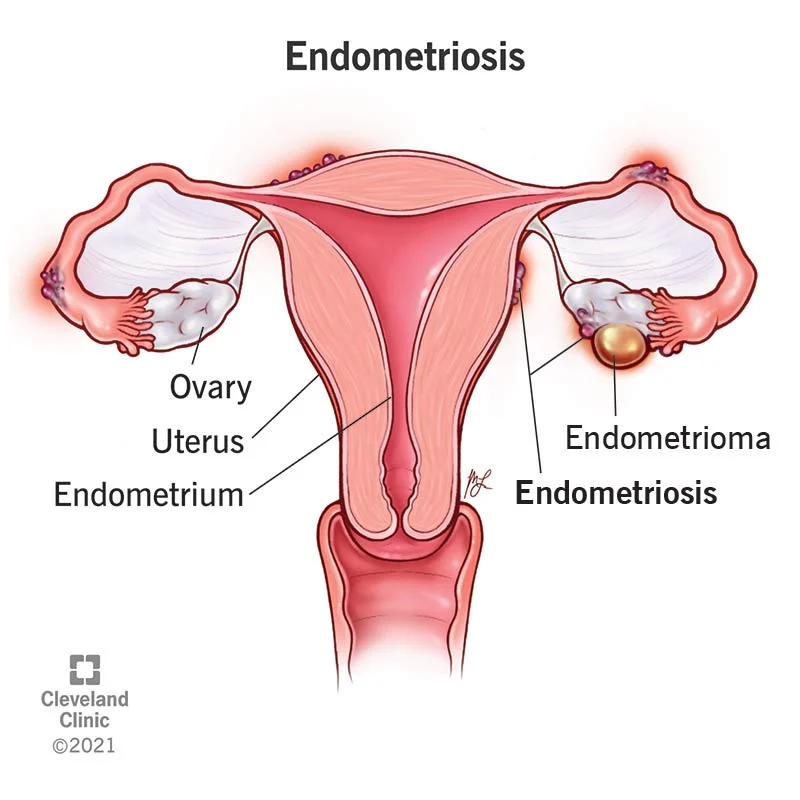
Endometriosis is a condition that affects women of reproductive age and is a common reproductive health issue. It occurs when tissue similar to the lining of the uterus grows outside of it, which can cause pain, scarring, and infertility.
Endometriosis commonly affects the ovaries, fallopian tubes, and pelvic floor muscles, but can also be found in other organs such as the bladder or intestines. Symptoms vary from person to person; however, these can include pelvic pain, painful periods, back or abdominal pain, and uterine bleeding between periods.
It’s important to understand that endometriosis is a long-term condition and its severity varies from woman to woman. Therefore, it’s essential to seek help from a healthcare professional to get an accurate diagnosis as well as manage your symptoms in order to ensure you have the best quality of life possible.
It is not fully clear why endometriosis develops, but there are various medical theories that describe why this condition can start and develop. These reasons are quite frequently associated with irregular menstrual flow, endocrine activity, genetic factors, or immune system complications. The potential causes can be understood and contribute to a more effective management process of the symptoms and endometriosis pain.
The following may be the endometriosis causes:
Retrograde menstruation: the menstrual blood is forced to move in the opposite direction towards the pelvis rather than exiting the body, and the endometrial cells may implant and develop.
Hormonal imbalance: higher estrogen, which promotes the development of endometrial-like tissue external to the uterus.
Genetics: A family history of endometriosis predisposes a person to endometriosis.
Dysfunction of the immune system: the body might not be able to recognize and eliminate the misplaced endometrial tissue, and it may proliferate.
Surgical scarring: surgeries such as C-sections can lead to the accidental transfer of endometrial cells to new locations, leading to painful growths.
All these factors lead to inflammation, scarring, and endometriosis pain that many women go through.
It is a condition where the tissue that normally lines the inside of the uterus grows outside the uterus and causes pain, inflammation, and other symptoms. Common symptoms of endometriosis include:
So, if you notice any of these signs and symptoms, rush towards your doctor. He will recommend a better treatment plan. Doctors usually diagnose via an internal examination or imaging exams such as an MRI or ultrasound.
If diagnosed with endometriosis, your doctor may suggest lifestyle changes such as exercise and dietary changes, medications such as hormones or pain relievers, or surgical treatment.
When it comes to treating endometriosis, there are various options available. In general, the treatments can be divided into three main categories:
The medical treatments to handle this condition is the use of birth control pills or other medications that can help reduce the pain. The doctor might also prescribe painkillers, such as non-steroidal anti-inflammatory drugs (NSAIDs).
Moving forward, if these medications don’t work, surgical treatments such as laparoscopy or hysterectomy may be recommended. This type of surgery is designed to remove the affected areas of tissue in your uterus and other organs. Moreover, this method provides relief in the long term. However, keep in mind that endometriosis may return after surgery.
Finally, making lifestyle changes to reduce stress and improve overall well-being can help manage the condition. This includes eating a healthy diet that’s high in fiber and low in processed foods; exercising regularly; maintaining a healthy weight; and getting enough sleep every night.
Apart from making the heavy blood flow caused by endometriosis more manageable by using the widest sanitary pads, this disorder can also be treated.
One of the most common symptoms is endometriosis pain, which can be mild to severe depending on the woman to woman. In addition to managing the pain, there are a few other things you can do to help manage the condition. For example, staying active and exercising regularly can help keep your hormones in balance and improve your overall health.
Eating a healthy diet with plenty of fruits and vegetables may also be beneficial in reducing inflammation. Additionally, it’s important to manage your stress levels and get enough restful sleep as this will aid in controlling your symptoms.
Finally, if you’re experiencing any other symptoms such as fatigue or digestive issues, it may be useful to speak to your doctor or healthcare provider about possible treatments or lifestyle changes that could help.
Choosing Essentials extra-long sanitary pads can also help in dealing with the excessive period bleeding that you may experience.
Endometriosis can have a major impact on fertility, as it can cause scarring and blockages in the reproductive organs. This can make it difficult to conceive naturally. The condition is also associated with an increased risk of miscarriage and ectopic pregnancies, in which the fertilized egg implants outside of the uterus.
If you are having difficulty conceiving, your doctor may recommend treatments to help you become pregnant. Surgery may also be recommended to remove any areas of endometriosis that are obstructing the reproductive organs.
Managing endometriosis can be a long and difficult process, so it’s important that you have support along the way. You should talk to your doctor about any concerns or questions you have, and don’t be afraid to ask for help or advice from friends and family. There are also several support groups available for people with endometriosis that can provide valuable resources and emotional support.
It’s important to take care of yourself by making sure you get enough rest, eating a balanced diet, exercising regularly, and reducing stress levels. Taking steps to look after your physical health can help reduce the symptoms of endometriosis, improve your overall well-being, and mood.
In a nutshell, endometriosis is a complex and often painful condition that can affect women of all ages. It is important to understand that suffering from endometriosis doesn’t have to be a life sentence and that there are a variety of ways to manage the condition apart from using the widest sanitary pads for utmost comfort.
Talking to your doctor about endometriosis and getting tested for possible diagnoses should be your first step in understanding and managing the condition. In addition to this, you can change your lifestyle, try home remedies to treat this condition and make it better.
Endometriosis pain is commonly experienced as very strong pelvic cramps that extend beyond the normal menstrual pain. According to many women, it is sharp, stabbing, or throbbing pain that can extend to their lower back and legs. It may also lead to painful periods, pain during intercourse and persistent pelvic pain that is not menstrual.
The first symptoms tend to be painful periods, excessive menstrual bleeding, pain in the pelvis, which is increasing with time, pain during sexual activity, and digestive problems such as bloating or constipation. The fatigue and problems with getting pregnant may also be noticeable in some women.
Yes. One of the causes of infertility is endometriosis in women. The growths may destroy reproductive organs, obstruct fallopian tubes or disrupt egg implantation. Nevertheless, most women with endometriosis can conceive naturally or after fertility therapy.
Physicians can begin by determining a complete medical history, pelvis examination, or imaging (ultrasound, MRI). But laparoscopy, which is a minimally invasive surgery involving the use of a camera to view abnormal growths of tissues, is the most conclusive diagnosis of endometriosis.
Risk factors include:
Yes, genetics plays a role. Females whose mother, sister or other close family member has a history of endometriosis are at higher risk of developing endometriosis.
Yes. Endometriosis is progressive in most women; that is, the symptoms may worsen with no treatment. Early diagnosis and management can be significant, as pain, excessive bleeding, and infertility can become more frequent over time.
It can seem difficult to travel on your periods. If you’re traveling to work, going

Heavy Periods can be tough to manage. Nobody wants to be standing at work or
A good night’s sleep is possible with the right pad only! Nothing interrupts the peaceful
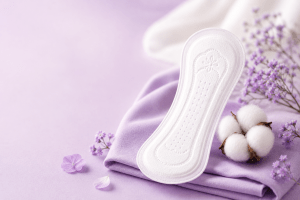
A good sanitary pad can be the difference between a comfortable day and being miserable.
It can seem difficult to travel on your periods. If you’re traveling to work, going
Heavy Periods can be tough to manage. Nobody wants to be standing at work or
A good night’s sleep is possible with the right pad only! Nothing interrupts the peaceful
A good sanitary pad can be the difference between a comfortable day and being miserable.