
Travel-Friendly Sanitary Pads: Stay Comfortable and Confident Wherever You Go
It can seem difficult to travel on your periods. If you’re traveling to work, going
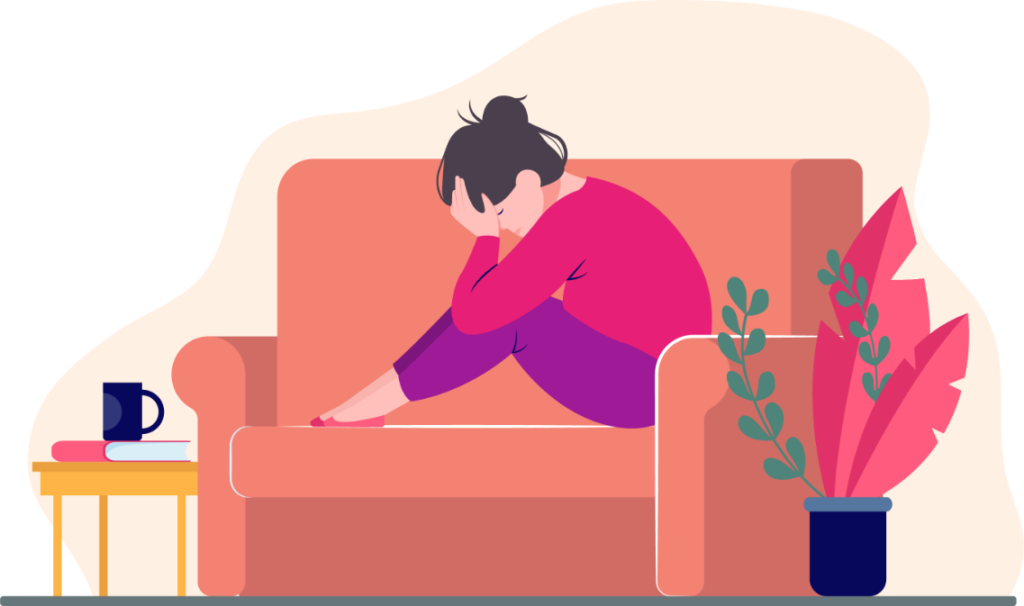
It is a biological occurrence that many women undergo and can be a mere annoyance or a massive issue, depending on the heaviness of the periods.
Heavy menstrual bleeding, often accompanied by symptoms such as fatigue and weakness, can lead to a common question: Can heavy periods cause anemia? This means that the post focuses on some information about heavy periods or anemia period that includes the signs, diagnosis, and treatment of anemia.
Here, you can learn more about fatigue or whether taking iron supplements is good or bad if you’re on your period.

Anemia is simply a disease state that is defined by the presence of a reduced number or poor quality of red blood cells that play the role of transporting oxygen in the body. There is a kind of anemia characterised by iron deficiency, a condition that occurs when a person’s body fails to get enough iron for producing a sufficient number of red blood cells.
It is, therefore, causing some of the discomforts such as tiredness, weakness, dizziness, and cases of breathlessness.
Indeed, heavy periods or menstrual bleeding can cause anemia, which affects the body negatively.
When the discharge is heavy, if it is abnormally prolonged, a woman may lose a lot of blood. If so, red blood cell count and hemoglobin levels are likely to be reduced.
This may lead to iron deficiency anemia if the iron lost during menstruation is not obtained from food items or supplements. This understanding is important for women who suffer from heavy menstrual bleeding, commonly referred to as menorrhagia.
There is a relationship between iron deficiency and periods or heavy menstrual bleeding. The body needs iron for the production of hemoglobin, and when there is a loss of blood during menstrual cycles, the body’s iron depletes, which may lead to anemia.
Periods cause frequent hemorrhaging, which can consume more iron in the body than what is being supplied. Thus, women with heavy bleeding should ensure that their body iron is adequately supplied.
General signs of anemia that are linked to menstruation should be identified on an early stage to get the right treatment. Common menstruation and anemia symptoms include:
Fatigue and Weakness: Feeling tired and lacking energy can be a telltale sign of anemia.
Pale Skin: Reduced red blood cells can cause your skin to appear paler than usual.
Dizziness: Low hemoglobin levels can affect your body’s ability to supply oxygen, leading to dizziness.
Shortness of Breath: Reduced oxygen-carrying capacity can make it hard to breathe, especially during physical activity.
If you have the symptoms during your period, you should seek medical attention to rule out the possibility of anemia.
Record conditions that could be linked to a given level of iron deficiency, for instance, fatigue, paleness, and shortness of breath. From the information given above, you can tell if there is any pattern when they occur during the menstrual cycle.
Consider your diet. This is because there are foods which are rich in iron, and when they are missing in an individual diet, it could make the body anemic. Iron-containing foods include: red meat, beans, lentils, and green leafy vegetables, among others.
However, one should ensure that their iron levels are good enough to reduce the impact of anemia period and increase energy that is likely to have an impact on how differently one perceives their menstrual cycle.
Iron-deficiency anaemia can make you feel tired and weak during your period, but does not affect the heaviness of the bleeding or the days of your period.
Studies have not found any correlation between the consumption of iron and the increased flow of periods. It is true that iron supplements are helpful in increasing the overall level of iron in your body and thus helping to alleviate some of the symptoms of anemia, but it does not directly impact your menstrual flow.
Increase the consumption of foods that are rich in iron. Such alternatives include lean meats, fish, poultry, lentils, beans, and spinach.
If such measures are not effective, the physician may prescribe iron pills for you. It is therefore necessary to adhere to their dosage to prevent side effects like constipation or an upset stomach.
Women with anemia period may look for medical treatment in the form of hormonal therapies or medicines to minimize the blood shedding and loss of iron.
Besides this, if you have heavy periods, you must use Sensitives Maxi Long Pads to avoid stains and leakage. They are extra-long pads that guarantee you comfort during that time of the month.
For anyone to be in a position to manage heavy periods together with anemia, it is important to be familiar with them. There are signs that your heavy menstrual bleeding can cause anemia; therefore, please seek the services of a doctor.
They can give a proper diagnosis after blood tests and advise on the patient’s nutrition or even possible treatments. It is important to note that if one takes precautions to keep the iron levels normal, it will go a long way in enhancing her quality of life during the period.
Be aware and take care of yourself and your health by understanding what triggers you and knowing when to get help.
It can seem difficult to travel on your periods. If you’re traveling to work, going

Heavy Periods can be tough to manage. Nobody wants to be standing at work or

A good night’s sleep is possible with the right pad only! Nothing interrupts the peaceful
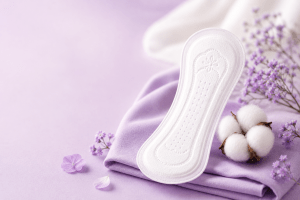
A good sanitary pad can be the difference between a comfortable day and being miserable.
It can seem difficult to travel on your periods. If you’re traveling to work, going
Heavy Periods can be tough to manage. Nobody wants to be standing at work or
A good night’s sleep is possible with the right pad only! Nothing interrupts the peaceful
A good sanitary pad can be the difference between a comfortable day and being miserable.