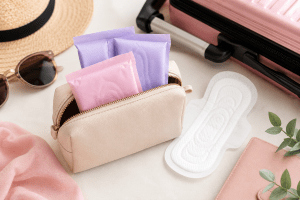
Travel-Friendly Sanitary Pads: Stay Comfortable and Confident Wherever You Go
It can seem difficult to travel on your periods. If you’re traveling to work, going
Millions of people around the globe live with urinary incontinence, but this condition often goes undiscussed because many are embarrassed or confused.
If you’ve ever found yourself in a situation with unpredictable urination or urgency, it’s not unusual, and there are things you can do to get support.
We will tell you about urinary incontinence in women, how to identify it, the main causes and types and the ways it is addressed today. We’ll address popular questions and give links to products that might benefit you or those close to you.

First, we will get to know the urinary incontinence definition.
Urinary incontinence means you can’t hold back the urine at times. You might occasionally pass urine from a sneeze or cough or you could feel like you just have to go to the bathroom but then find there isn’t time.
Although most often seen in adults, however, urinary incontinence is possible at any age in anyone.
It isn’t only about physical problems—it can also make you feel bad emotionally, negatively affect your social life and make you feel less sure of yourself.
If you see the signs right away, you can start treatment early. Possible symptoms are:
If these symptoms don’t go away or get worse, you should see your healthcare provider.
Urinary incontinence is often caused by several different circumstances.
Finding out the type of urinary incontinence will help you choose the best treatment. The possible types are:
Happens when coughing, sneezing or lifting causes pressure to the bladder, making you leak urine.
Another name for it is overactive bladder. You get an emergency feeling of the need to urinate and end up leaking urine before you make it to a toilet.
If the bladder doesn’t completely drain, it causes urine to dribble afterward.
Functional Incontinence
Takes place if someone can’t get to the toilet on time because of obstacles to movement, thoughts or decision-making.
Urinary incontinence in women occurs when stress and urge incontinence act together.
Many kinds of urinary incontinence in women can be treated and often improve or reverse the symptoms. The form and reason for incontinence will determine the type of treatment given. Options are:
Working out the muscles that help the bladder can really aid with stress incontinence.
A particular kind of medication preferred by your doctor has been shown to soothe the bladder or improve the strength of tissues.
Pessaries or urethral inserts are given to women and men with overflow incontinence receive tubes instead.
Where cases are serious, doctors may propose bladder sling surgery or use an artificial urinary sphincter.
Treating symptoms is easier with the help of good-quality absorbent pads. Comfort and protection throughout your day are available with the Essentials Extra Long Pad.
More women fight urinary incontinence than you would guess, and there’s no need to feel bad. Most people who get the correct diagnosis and treatment often feel much better or make a full comeback.
With conditions ranging from leaks to more serious symptoms, pelvic exercises, medicine, and Absorb the Extra Long Pads can help you handle your life more easily and comfortably every day.
Don’t deny what’s happening to you. Let your doctor know, change your lifestyle and experiment with different products and therapies.
Being comfortable, confident and in charge is a right you should enjoy throughout your life.
It can seem difficult to travel on your periods. If you’re traveling to work, going

Heavy Periods can be tough to manage. Nobody wants to be standing at work or

A good night’s sleep is possible with the right pad only! Nothing interrupts the peaceful
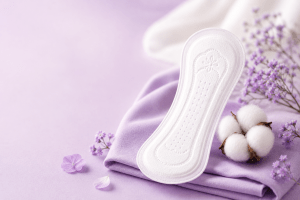
A good sanitary pad can be the difference between a comfortable day and being miserable.
It can seem difficult to travel on your periods. If you’re traveling to work, going
Heavy Periods can be tough to manage. Nobody wants to be standing at work or
A good night’s sleep is possible with the right pad only! Nothing interrupts the peaceful
A good sanitary pad can be the difference between a comfortable day and being miserable.