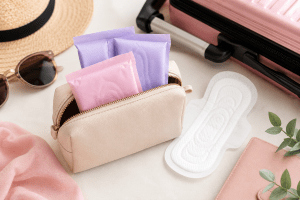
Travel-Friendly Sanitary Pads: Stay Comfortable and Confident Wherever You Go
It can seem difficult to travel on your periods. If you’re traveling to work, going
Sometimes, you might observe that your period is late, or that your skin acts just like when you were younger.
These changes are usual for women, and they can often mean something else rather than just hormone-related mood swings. Sometimes, they are one of the early signs of PCOS.
It is the most common hormonal disorder in women who have their periods. People usually do not know what this problem is until its early symptoms become more noticeable. Consequently, we will go over the PCOS early symptoms, the causes, and what you should do if you believe you might have this issue.

So, here we are with a question: “ What Are the First Signs of PCOS?”
Fertility problems and unusual periods are usually the main signs of PCOS. Yet, your body will alert you with symptoms before you overdo it.
The following are the early signs of PCOS in women:
An irregular menstrual cycle is one of the early signs of PCOS in women. There are times when you don’t have a period for many months, or you get them less than eight times each year. This disorder occurs because the imbalance in hormones affects the egg release.
An increase in male hormone levels may cause extra hair to grow on the face, chest, or back. When you see new, thicker, or darker hairs, it could mean you have one of the early PCOS symptoms.
Dealing with acne well past when you were a teenager?
Acne that lasts on the cheeks and jaw is a possible sign of PCOS.
Putting on weight without big changes in habits or having difficulty losing it are other early signs of PCOS. The health problem is strongly linked to insulin resistance, a process that changes your body’s sugar handling.
Although a few women experience more hair, others may have thinning hair or experience baldness, just as men do.
PCOS is not the same for every female patient. A few early symptoms may be vague but they shouldn’t be overlooked.
Do you want to know “what does PCOS discharge look like”?
As a result of hormones and skipped ovulation cycles, PCOS can cause women to have greater amounts of thicker or whitish vaginal discharge instead of the usual clear and stretchy discharge.
Lots of women say that the PCOS period pain tends to be stronger and lasts for a longer period than normal cramps. If you experience any unease, it can be because of unusual shedding of the uterine lining or ovarian cysts.
Sometimes, the presence of heavy periods with big blood clots might suggest PCOS. It is possible for PCOS patients to have blood clots because their hormones are not at regular levels, which affects the uterine lining.
Does PCOS cause constipation? Difficulty with bowel movements is a sign of PCOS as well.
Problems with hormones and a slow digestive system are one of the main causes of constipation. In case you wonder, “will PCOS lead to constipation?” Yes, this condition does tend to cause constipation when coupled with bloating and uncomfortable feelings.
Since many PCOS symptoms look like ones from puberty, teenagers might have difficulty telling them apart.
However, these are the main warning signs for PCOS:
These include acne that won’t go away, unpredictable menstrual periods, extra weight, and too much facial hair.
If teens with PCOS can be diagnosed early, it becomes easier to treat them.
Experts are not sure about the main cause of PCOS, though some elements are understood to contribute.
A lot of women wonder: “Is PCOS a disability?”
Although it is generally not accepted as a disability in most places, it can seriously affect someone’s well-being. Living with chronic pain, lack of energy, not being able to have children, and having emotional issues can make it difficult to go about daily activities and work.
If your PCOS is very complicated, you must get help. You should visit a PCOS expert doctor and start taking medication as soon as possible.
If more than a few symptoms on this list apply to you, then here’s what should happen.
Document your period, your weight, skin changes, and moods by using a health app or writing them down so that it is easier to detect trends. You may use this information when you see a doctor.
Such specialists might run blood tests and take ultrasound images to look for abnormal hormones and cysts in the ovaries.Change Your Diet
Making changes in your diet and activity can help a lot since insulin resistance affects PCOS.Consider Medication
For your particular condition and if you want strong fertility, your healthcare provider might suggest giving you birth control pills or anti-androgen treatments.
Sometimes women with PCOS have unusually heavy bleeding frequently. Using the proper menstrual protection can ease your problems during those days.
When you have a heavy flow, consider using the specially made pads for heavy bleeding. Embrace Sanitary Pads gives you the best comfort and defence against leaks when you need them the most.
Having PCOS can be tough, as it can lead to challenges when the illness’s symptoms are irregular and important to control. You do not have to suffer alone, as many useful treatments and groups are available to help you.
However, if you have irregular cycles, notice sudden changes in your weight, or find your acne won’t go away, you shouldn’t ignore these changes. Turn to your doctor, find out information, and make sure to act.
PCOS is not who you are, but handling it properly can change your day-to-day life.
It can seem difficult to travel on your periods. If you’re traveling to work, going

Heavy Periods can be tough to manage. Nobody wants to be standing at work or
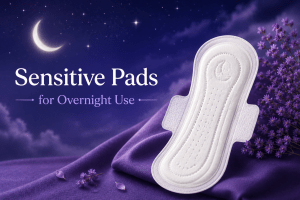
A good night’s sleep is possible with the right pad only! Nothing interrupts the peaceful
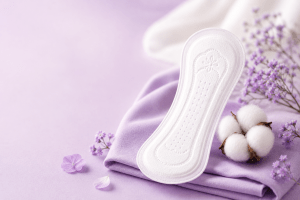
A good sanitary pad can be the difference between a comfortable day and being miserable.
It can seem difficult to travel on your periods. If you’re traveling to work, going
Heavy Periods can be tough to manage. Nobody wants to be standing at work or
A good night’s sleep is possible with the right pad only! Nothing interrupts the peaceful
A good sanitary pad can be the difference between a comfortable day and being miserable.