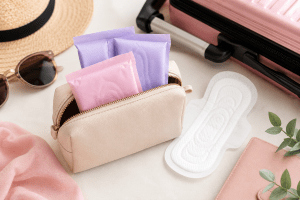
Travel-Friendly Sanitary Pads: Stay Comfortable and Confident Wherever You Go
It can seem difficult to travel on your periods. If you’re traveling to work, going
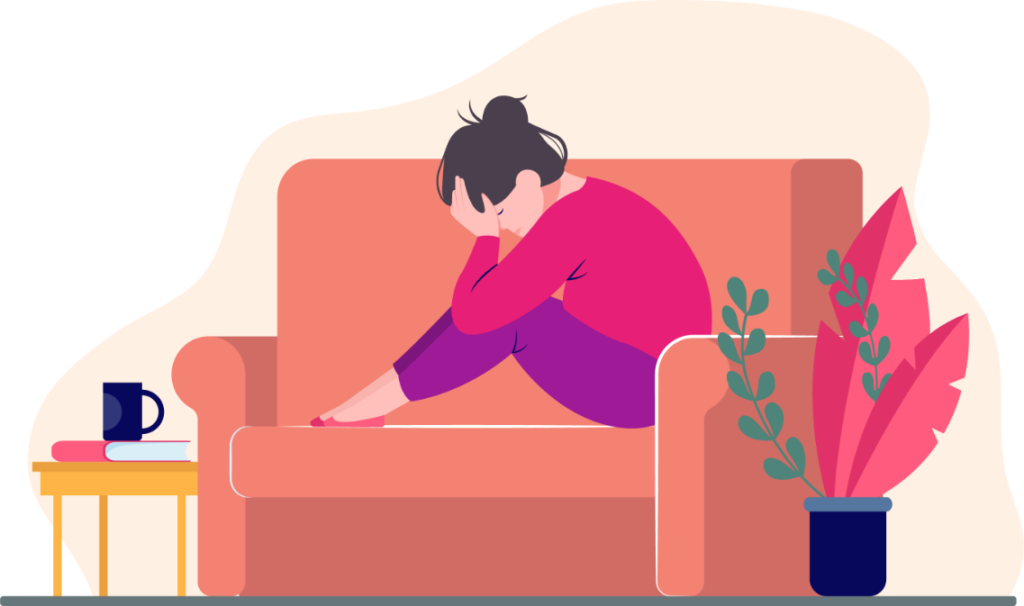
Periods are a fact of every woman’s life, but for some, they bring immense pain.
If your period consistently brings debilitating cramps, outrageously heavy flow or nonstop pelvic pain, it’s possible that it isn’t just “bad periods”, You may have endometriosis!
It is among the most frequently misunderstood and misdiagnosed conditions in millions of women globally. Endometriosis can disrupt not only your daily living, but also your relationships and fertility. Knowing the symptoms of endometriosis can help you get diagnosed and treated at the right time.
So today let’s talk about exactly what Endometriosis is, what’s causing it and the possible symptoms based on the stages of this condition.

Endometriosis is a chronic disease in which tissue with properties similar to the lining of the inside of the uterus (endometrium) grows outside the uterus. Such growths can be on the ovaries, fallopian tubes or elsewhere inside the pelvic cavity.
With each menstrual cycle, this tissue acts like the lining of your uterus, it thickens, breaks down and bleeds. But since it’s outside the uterus, the blood and tissue have no place to go. This causes inflammation, pain and scarring.
A lot of women ignore the early signs of endometriosis as normal period pain, and feel that their diagnosis is validation for their pain. But if the pain disrupts your life, you may want to talk about it with a healthcare professional.
Tip: Cushioning period pain with comfortable sanitary products can be a game changer. Use Sensitives Maxi Long Napkins for extra protection and comfort during your period.
Endometriosis causes have yet to be determined, however we know that endometriosis may be the result of a number of factors:
This occurs when menstrual blood back flows into the pelvic cavity rather than exiting the body. The endometrial cells from this blood may stick to a pelvic organ and keep growing.
You are at greater risk if your mother or sister has endometriosis. Patients with a familial history are more susceptible than others.
Elevated estrogen levels may increase the growth of endometrial tissue outside the uterus. These symptoms are often exacerbated by hormonal imbalance.
An impaired immune system can neglect or ignore and not destroy displaced endometrial tissue.
After procedures such as C-sections or hysterectomies, endometrial cells can attach to surgical incisions and flourish.
By knowing these endometriosis causes, women can recognise any risk and discuss these with their doctors for early prevention.
Also, the signs and symptoms of endometriosis can be different for each woman. Some will have unbearable pain, others won’t really feel anything. But the following are some of the most common symptoms of endometriosis:
Severe cramps leading up to and during your period that get worse over time are among the most common symptoms of endometriosis.
Chronic dull lower abdominal or low back pain happening apart and even during the menstrual period.
Pain during or following sex is another important symptom, because endometrial tissue can develop behind the uterus or around the vaginal region.
This often happens during menstruation and may indicate that endometrial tissue is impacting the bladder or bowels.
For some women, they cause unusually heavy flow or bleeding between periods.
A lot of women with endometriosis experience fatigue or have digestive disturbances that are commonly confused with other conditions such as IBS (Irritable Bowel Syndrome).
Endometriosis can also thwart conception by causing scar tissue or inflammation in the reproductive organs.
If you’re experiencing any of these symptoms of endometriosis, it’s essential to see a gynecologist. Early treatment can help prevent the condition from progressing and enhance your quality of life.
Endometriosis is staged I-IV based on the location, depth of tissue involvement and amount. But not all symptoms correspond to the stage, some women have mild endometriosis but severe pain, and others with advanced stages might feel little in the way of discomfort.
Here’s what happens in the endometriosis stages:
Stage 1: Minimal
Small and few implants on the pelvic lining or ovaries.
Stage 2: Mild
More and deeper implants show up, perhaps including some scar tissue.
Stage 3: Moderate
Numerous deep implants on pelvic organs and one or both ovaries.
Stage 4: Severe
Stage IV Diffuse disease with implants throughout and large endometriomas, dense adhesions that impact the functionality of other organs.
Knowing the various stages of endometriosis can be useful for doctors devising the appropriate treatment, whether medication and hormone therapy, or surgery in more serious cases.
It can be tough living with endometriosis, but early intervention, and awareness will do wonders. However, if you feel like the symptoms match your own and may be a potential source of discord in your body, pay attention. Talk to your doctor about your pain and discomfort there is relief with the right treatment plan.
Period pain shouldn’t keep you from living your life, after all. Selecting soft and comfortable menstrual pads, such as Sensitives Maxi Long Pads can also help you navigate your cycles with ease so you’ll stay clean and fresh every day.
Reclaiming your reproductive health starts with awareness, pay attention to your body, and don’t be afraid to seek help when something doesn’t feel right.
Early symptoms frequently include devastating menstrual cramps, pelvic pain and pain during sexual activity or bowel movements.
The reasons behind it are not yet fully understood, but factors such as hormonal imbalance, family history and menstruation that flows backwards can all play a part.
Doctors can use pelvic exams, ultrasounds or a laparoscopy (a minimally invasive surgical procedure) to help diagnose the condition.
Yes, in some instances it can cause infertility by damaging reproductive organs or causing scar tissue or inflammation.
It’s usually sharp, cramping pain in the lower abdomen or back that is worse during menstruation.
If the pain is severe, longer than your period time or gets in the way of your day-to-day life then it could be a symptom for endometriosis.
This is divided into four stages; minimal, mild, moderate, and severe, according to how widely the tissue has spread.
Endometriosis may be a chronic condition, but its symptoms can often be successfully managed with appropriate care.
It can seem difficult to travel on your periods. If you’re traveling to work, going

Heavy Periods can be tough to manage. Nobody wants to be standing at work or
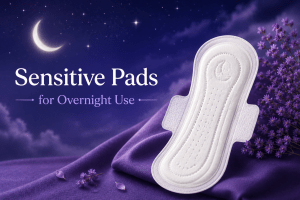
A good night’s sleep is possible with the right pad only! Nothing interrupts the peaceful
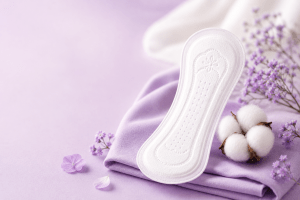
A good sanitary pad can be the difference between a comfortable day and being miserable.
It can seem difficult to travel on your periods. If you’re traveling to work, going
Heavy Periods can be tough to manage. Nobody wants to be standing at work or
A good night’s sleep is possible with the right pad only! Nothing interrupts the peaceful
A good sanitary pad can be the difference between a comfortable day and being miserable.