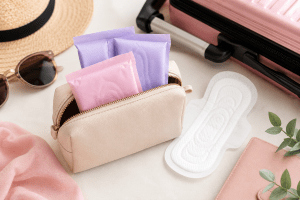
Travel-Friendly Sanitary Pads: Stay Comfortable and Confident Wherever You Go
It can seem difficult to travel on your periods. If you’re traveling to work, going
All women experience menstruation differently, but when bleeding is unusually heavy or prolonged, the condition is called menorrhagia.
Women often ignore the symptoms, thinking it’s just a “heavy period”. But constant, heavy bleeding can interfere with daily life, cause feelings of fatigue and even result in anaemia. If you regularly have to switch pads every hour or pass large clots during your period, then it’s time to sit up and pay attention.
However, if you can understand menorrhagia causes, symptoms and treatments, then you can regain control of your health and well-being.

Menorrhagia can be caused by several problems, including hormone imbalance or an underlying condition. Some of the most frequent menorrhagia causes include:
Estrogen and progesterone regulate the accretion of the endometrium. When these hormones get out of balance, the lining may become too thick and cause heavy bleeding.
Noncancerous growths in the uterus, such as fibroids or polyps, may lead to heavy or prolonged bleeding, particularly in premenopausal women.
When an egg is not released from the ovaries (anovulation), hormone levels change, resulting in irregular or heavy menstrual bleeding.
It is one of the main Menorrhagia causes. Heavy periods can also be caused by disorders like thyroid problems, liver disease or a blood-clotting problem.
Some anti-inflammatory drugs, hormonal medications or blood thinners may make menstrual flow heavier.
For women who are looking to stay comfortable during their cycle, go with products that put a premium on safety and softness. Embrace womanhood with our best menstrual products that are thoughtfully crafted to help you feel more comfortable and confident when you have your heavy flow days.
In contrast, “heavy bleeding” doesn’t even begin to describe menorrhagia symptoms. When you notice them early, it allows you to find the right menorrhagia treatment before the complications start.
Here are some common symptoms of menorrhagia to keep an eye out for:
If you’re experiencing signs you are losing too much blood during period, it’s important to see a doctor for a thorough evaluation.
To determine the cause of menstrual bleeding, your doctor may need to evaluate the condition. Your healthcare provider may:
Proper diagnosis is essential for successful menorrhagia treatment because you want to solve the problem, not just the symptom.
Treatment of menorrhagia depends on the cause and is aimed at controlling excessive bleeding, considering the severity of symptoms, whether you want to have children, and your age. Here are common approaches:
Hormonal Therapy: Birth control pills, hormonal IUDs, or progesterone can be used to regulate your cycle and decrease bleeding.
Tranexamic Acid – Controls the blood flow in your period.
Nonsteroidal Anti-inflammatory Drugs (NSAIDs): NSAIDs can minimise pain and blood flow.
If medications fail, surgical treatments are also available:
Dilation and Curettage (D&C): Partially removes the lining of the uterus.
Endometrial Ablation: This destroys the lining of the uterus, which can lower or stop bleeding.
Myomectomy: The removal of fibroids while preserving fertility.
Hysterectomy: Surgical removal of the uterus. This is usually a last-resort treatment for extreme cases.
Your doctor will advise the best menorrhagia treatment for you, based on your symptoms and plans for having children.
Although medical treatment is necessary, the care of heavy periods also includes self-care and lifestyle:
Diet Rich in Iron: Consume foods such as spinach, lentils and red meat to avoid anemia.
Stay Fluid: Replace blood loss by drinking fluids.
Track Your Cycle: Track periods on an app to notice patterns and share with your doctor.
Choose the right products: You should choose comfortable and absorbent menstrual products to avoid leaks and irritation.
Get Some Rest and Manage Stress: High stress levels can impact hormones and exacerbate symptoms.
It’s well worth learning Menorrhagia treatment and the ways to manage in daily life with gradual, repeatable measures.
Seek emergency medical care if you have:
Continued heavy bleeding can make you very tired, and it increases your risk of getting iron deficiency anaemia or other health problems. Early diagnosis of menorrhagia symptoms and treatment may help to alleviate these issues and return menstrual health to normal.
Heavy periods are not something you “just need to get through.” Menorrhagia is a manageable condition once you know the causes and symptoms. If you start experiencing heavy periods on a regular basis, listen to your body and act accordingly by seeing a healthcare provider, who’ll be able to diagnose and treat you.
With timely examinations and the right menorrhagia treatment, you cannot just accept but celebrate womanhood with confidence as well as comfort, without having to worry about heavy bleeding.
Hormonal imbalance is usually the most typical factor responsible for menorrhagia, but it could also be related to fibroids, polyps, or thyroid issues.
If you soak through pads hourly or pass large clots, you may have menorrhagia.
Yes, long-term stress can mess with hormones, which can cause heavy periods or changes in your menstrual cycle.
Heavy bleeding can be stopped with hormonal therapy, medication like tranexamic acid or a procedure called endometrial ablation can stop heavy menstrual bleeding.
In certain cases, yes, especially if it results from hormonal imbalances or an affected uterus.
Yes, eating a balanced diet, stress and staying hydrated can contribute toward a healthier hormonal balance and less bleeding.
It can seem difficult to travel on your periods. If you’re traveling to work, going

Heavy Periods can be tough to manage. Nobody wants to be standing at work or
A good night’s sleep is possible with the right pad only! Nothing interrupts the peaceful
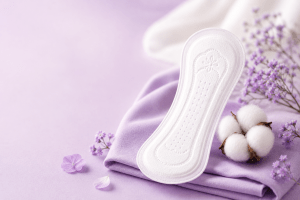
A good sanitary pad can be the difference between a comfortable day and being miserable.
It can seem difficult to travel on your periods. If you’re traveling to work, going
Heavy Periods can be tough to manage. Nobody wants to be standing at work or
A good night’s sleep is possible with the right pad only! Nothing interrupts the peaceful
A good sanitary pad can be the difference between a comfortable day and being miserable.