Do you have heavy periods, painful cramps, or feel like your lower abdomen is swollen or heavy?
These may not just be your ordinary period problems; it could be a condition called adenomyosis, which affects the uterus and can cause some serious discomfort.
By learning more about adenomyosis symptoms, stages of the condition and treatment options, you may better manage your reproductive health while seeking relief from a commonly overlooked condition.

What is Adenomyosis?
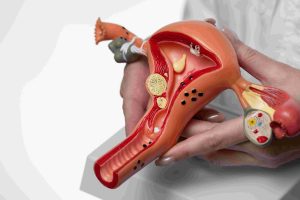
Adenomyosis refers to a bulky uterus, and the reason of uterus swelling is that the inner lining of the uterus (endometrium) grows into the muscular walls of the uterus (myometrium). This excessive tissue growth causes the uterine walls to become thickened, resulting in a swollen or bulky uterus.
Women who have an adenomyosis uterus typically suffer from painful periods, heavy menstrual bleeding, painful urination, and intercourse, and pressure in their pelvic area caused by this thickening of the uterine lining. The exact cause of a swollen uterus is unclear, but it can be caused by hormonal fluctuations, giving birth and procedures involving the uterus.
Most women say the pain is like a constant, dull ache with the occasional flare and menstrual cycle ramp-up. Managing uterine swelling symptoms is important, and one concrete way to do that is through good menstrual hygiene. Women can stay protected and feel comfortable even during those heavy-flow days with high-absorbency pads like the Essentials Extra Long Pad.
What are the Stages of Adenomyosis?
Adenomyosis tends to develop slowly and may be more or less of a problem for different women. There is no standard system. However, in the case of cancer, doctors tend to grade it based on how deeply the endometrial tissue has grown below the uterine muscle wall.
Stage 1 – Early Infiltration
At this point, the tissue is just starting to invade the muscle of the uterus. Symptoms can be mild, heavier than usual periods and possibly even unnoticed (by being just regular period cramps or PMS in disguise).
Stage 2 – Moderate Invasion
The abnormal tissue penetrates into the muscle of the uterus. You might start seeing symptoms of uterine swelling, intense cramps and bleeding. Also pelvic pressure or discomfort during menstruation.
Stage 3 – Advanced Adenomyosis
At this stage, the wall of the uterus thickens to a great extent, resulting in an enlarged, bulky uterus. The periods become heavier and the cramps stronger, and that pain can remain even when not on your period.
Stage 4 – Severe Adenomyosis
It is the most advanced stage, when ubiquitous levels of uterine muscle are involved. The uterus is large, soft and very painful during menstruation. Symptoms are frequently treated medically or surgically.
Understanding the Common Uterus Swelling Symptoms
The adenomyosis symptoms can go from light pain to severe pain that interferes with normal activities. Here are a few of the most typical indicators:
- Heavy menstrual bleeding (menorrhagia), soaking through pads or tampons in an hour
- Intensely painful periods (worse than usual)
- Extended periods (more than 1 wk)
- Pressure or heaviness in the pelvis, because of an enlarged uterus
- Pain during intercourse
- Blood clots during menstruation
- Uterine tenderness or swelling
The bulky uterus causes discomfort, which makes it difficult to tell adenomyosis apart from other conditions, such as fibroids or endometriosis.
Diagnosis of Adenomyosis
Adenomyosis uterus diagnosis can be difficult, as many of its symptoms match those of other forms of uterine problems. However, multiple diagnostic controls could be used to diagnose it:
- Pelvic Exam: The doctor can feel if the uterus is enlarged or tender.
- Ultrasound: Assists in identifying the thickness of the uterine wall and fibroid exclusion.
- MRI (Magnetic Resonance Imaging): Provides a very good view of the uterus and can help diagnose adenomyosis.
- Transvaginal Ultrasound: Offers good images to determine the depth of invasion.
- Biopsy: Rarely, after a hysterectomy, this test is done to make the diagnosis.
- Early diagnosis is very important for the treatment and symptom management of a bulky uterus.
Treatment Options for Adenomyosis
The actual treatment varies according to age, extent of symptoms and whether or not the patient wishes for fertility.
Medications
Hormonal Treatment: Oral contraceptives, hormonal IUDs, or GnRH agonists can regulate hormone levels and decrease uterine bleeding.
Nonsteroidal Anti-inflammatory Drugs (NSAIDs): Period pain and inflammation can be lessened with painkillers, such as ibuprofen.
Minimally Invasive Procedures
Uterine Artery Embolization (UAE): Cuts off the blood supply to the abnormal tissue, which in turn lessens pain and bleeding.
Endometrial Ablation: Destroys (ablates) the lining of your uterus to reduce or stop menstrual flow; not for women who want children.
Surgical Treatments
Adenomyomectomy: Excision of the diseased segment of uterus, with conservation of fertility.
Hysterectomy: The absolute removal of the uterus which is usually a very last resort bulky uterus treatment in extreme or uncontrollable situations.
Natural & Lifestyle Remedies
Warm compresses for pain relief
The practice also provides the benefit of improved blood circulation through regular exercise and yoga.
Fruits, vegetables and omega-3-rich foods as part of an anti-inflammatory Stress reduction techniques like meditation.
These methods may assist in relieving the cause of uterine swelling and promote uterine health.
When to See a doctor?
The following are symptoms that should prompt you to see a gynecologist:
- Symptoms are worse than normal cycles
- Persistent pelvic pain or pressure
- Difficulty conceiving
- Painful intercourse
- Signs of Increased Fullness in the Uterus, i.e. bloating or feeling of fullness inside the uterus
However, failure to recognize these features may lead to a delay in diagnosis and exacerbation of the disease. Receiving medical treatment at an early stage is crucial for the most efficient treatment of a bulky uterus, and in order to avoid complications.
Conclusion
More than just a “painful period,” adenomyosis is an issue that should be taken seriously and involves things that can be done to help save the uterus. Understanding the adenomyosis stages, identifying symptoms of uterus swelling, reason of uterus swelling, and finding the appropriate bulky uterus treatment in Hindi can help them manage the painful condition as well as take control of their reproductive health again.
If you’re suffering symptoms, don’t just grin and bear consult a reputable gynecologist, gain an understanding of available treatment options, and try to make lifestyle modifications that can help ease your distress.
Frequently Asked Questions (FAQs)
Is Adenomyosis Dangerous or Cancerous?
No, adenomyosis is not cancerous. But it brings a big amount of pain and discomfort if it is not treated.
Can Adenomyosis Affect Fertility or Pregnancy?
Yes, sometimes adenomyosis can make it harder to get pregnant or can cause complications during pregnancy.
What Treatment Options Are Available for Adenomyosis?
Management of this condition includes hormonal treatment, uterine artery embolization and surgery.
Can Adenomyosis Be Cured Completely?
Adenomyosis can be completely cured only by removing the uterus (hysterectomy), but medications and lifestyle changes may help to relieve symptoms.
Does Adenomyosis Get Worse Over Time?
Yes, symptoms can get worse if you do not treat them, particularly as the hormonal changes continue.
How Can I Manage Pain or Heavy Bleeding From Adenomyosis?
Pain killers, hormonal therapy and the use of high-absorbency pads like Essentials Extra Long Pad may be employed to manage symptoms.
Are There Any Natural Remedies or Lifestyle Tips for Adenomyosis?
Getting regular exercise, managing stress levels, eating healthily and applying a warm compress can ease pain and swelling.
When Should I See a Doctor for Adenomyosis Symptoms?
Consult a doctor if you have heavy bleeding, intense cramps or any signs of swelling in the uterus or enduring pelvic pain.