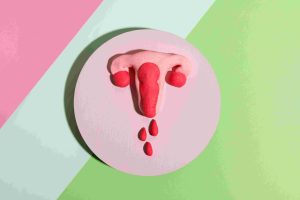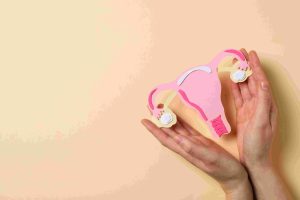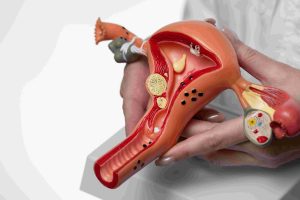
Endometriosis is a chronic condition in which tissue similar to the lining of the uterus grows outside its walls, most commonly on the ovaries, fallopian tubes and lining of the pelvis.
This tissue acts like regular endometrial tissue; it thickens, breaks down and bleeds with each menstrual cycle. But because it doesn’t have a way to leave the body, it can lead to intense endometriosis pain, inflammation and the production of scar tissue.
Women with endometriosis frequently suffer from pain in the pelvic region that is increased during menstruation, painful intercourse, bowel or bladder dysfunction and fatigue. At times, the pain can be chronic and have a great impact on daily living.

Understanding Endometriosis Diagnosis
Endometriosis can be difficult to diagnose, since its symptoms can closely mimic those caused by other conditions such as pelvic inflammatory disease or irritable bowel syndrome. Early and correct diagnosis is essential to control the condition effectively.
Medical History & Physical Exam
A doctor starts by considering symptoms, menstrual history and family background. Cysts or tender areas may be found during a pelvic exam helpful for identifying causes.
Imaging Tests
Radiology is a cornerstone in the diagnosis of endometriosis. Ovarian cysts (endometriomas) are typically first detected with an ultrasound. But in certain situations, such as when there are radiology endometriosis scar patterns, endometriosis involvement of deep tissues is suspected, magnetic resonance imaging (MRI) can be useful.
Laparoscopy
The most definitive way to diagnose it is laparoscopy, a minimally invasive surgical procedure in which a doctor directly views, and often biopsies, endometrial tissue.
For women who deal with chronic pain or menstrual cramps, it’s important to find dependable hygiene products that are comfortable enough to trust during flare-ups. For reliable protection and comfort all month long, consider Essentials UltraThin Pads.
Recognizing the Signs and Symptoms
There’s a wide range of endometriosis symptoms, but spotting the common signs can be helpful for early detection. Some of the most common symptoms are:
- Painful periods that become increasingly intense
- Painful bowel or bladder movement during periods
- Heavy or irregular bleeding
- Chronic pelvic pain
- Back and leg pain
- Bleeding or spotting between periods
- Bloating, fatigue, and digestive issues
- Infertility or difficulty conceiving
If you have these symptoms around the clock, see a gynecologist for medical evaluation. Prompt treatment can prevent complications and improve the quality of life.
Treatment Options for Endometriosis Pain
There is no single treatment that will cure endometriosis pain, but a mix of medical and surgical treatments and lifestyle changes can be used appropriately to the severity of the pain.
Medication for Pain Relief
Nonprescription painkillers like ibuprofen or naproxen can help relieve cramps and pelvic pain. In severe cases, stronger medicines or hormonal treatment that can help regulate your estrogen levels and prevent overgrowth of the lining of the womb may be used by doctors.
Hormonal Therapy
Hormonal medications are designed to decrease or even cease menstruation in order for the growth and shedding cycle of endometrial-like tissue to stop. Common options include:
Birth control pills or patches
Agonists and antagonists of GnRH
These treatments can help alleviate pain and shrink endometrial tissue over time.
Endometriosis Surgery
Surgery for endometriosis may be suggested if you don’t respond to medication or if infertility is a problem. The aim of Endometriosis surgery is to excise endometrial lesions, cysts and adhesions, leaving behind healthy reproductive organs.
Laparoscopy: The most common surgical method, small incisions are made to either remove or destroy growing tissue outside of the uterus.
Hysterectomy: If a patient hasn’t planned to have children in the future, then this surgery is performed. In this, there is a removal of the uterus along with the ovaries.
Surgery may give significant pain relief, but regular follow-up is important to deal with recurrence.
Lifestyle and Home Remedies
A more integrated approach may also assist in the management of pain. Simple things such as physical exercise, proper food, reduced stress and following the application of heating pads can reduce pain. It may also identify triggers of flare-ups to maintain a symptom diary.
Role of Radiology in Endometriosis
Advanced imaging techniques are helping doctors to better understand and find these endometrial lesions. Endometriosis radiology scars have shown hidden tissue growths or adhesions, which may not be observed during a physical examination of the pelvis. Such scars can result in chronic pelvic pain and reduced fertility.
MRI imaging can also be used to plot the location of deep endometrial tissue and guide more effective surgical treatments. Early detection of these scars also assists in the decision whether surgery or hormonal therapy is best.
Conclusion
It’s a chronic condition, and while it may be long-term, with treatment and support, most women go on to lead productive lives. Early Endometriosis diagnosis and regular follow-up with open communication to healthcare providers can go a long way in the management of symptoms and improving quality of life.
There are support groups and counseling modes that may aid patients in dealing with the emotional and mental effects of chronic pain.
Furthermore, Endometriosis pain can be quite debilitating to a woman’s physical and emotional health, but early endometriosis diagnosis may provide necessary treatment followed by consistent care to help make it manageable. By means of drugs, hormone therapy, or endometriosis surgery, treatments that work well and can help manage symptoms are there.
FAQs
Does Surgery Cure Endometriosis Permanently?
No, surgery can alleviate symptoms and get rid of visible lesions, but endometriosis can grow back. The risk of recurrence is lessened by consistent follow-up and hormonal therapy.
How Long is Recovery After Laparoscopy?
The recovery period for laparoscopy is typically 1 to 2 weeks, varying depending on the degree of surgery and individual healing capacity.
Can Endometriosis Come Back After Surgery?
Yes, some women can have endometriosis return, particularly if they aren’t in perfect hormonal balance and new lesions form.
Is Pregnancy Possible After Surgery?
Yes, women frequently have better fertility after surgery, particularly if doctors were able to remove scar tissue or cysts.
What Triggers Endometriosis Flare-ups?
Such flare-ups can be brought on by hormonal fluctuations, stress, lack of sleep or inflammatory foods. Keeping a symptom diary may help pinpoint any personal triggers.
Can Endometriosis Affect Fertility?
Yes, endometriosis may obstruct ovulation, the ability to transport eggs or that of implant them, but treatment can embolden your pursuit of pregnancy.
Is Endometriosis a Lifelong Condition?
Though symptoms can last a lifetime, they may be treated with medication, endometriosis surgery and lifestyle changes.