One of the most empowering things you can initiate during your family planning is to understand your fertility. To know about the reproductive cycle that you are going through is a great way to find out more about yourself, as well as to try to conceive.
This in-depth guide will clarify fertility meaning, reveal how the natural ovulation cycle works, and give you effective fertility advice to increase the chances of pregnancy with or without medical support.
What is Fertility Awareness?
What is Fertility?
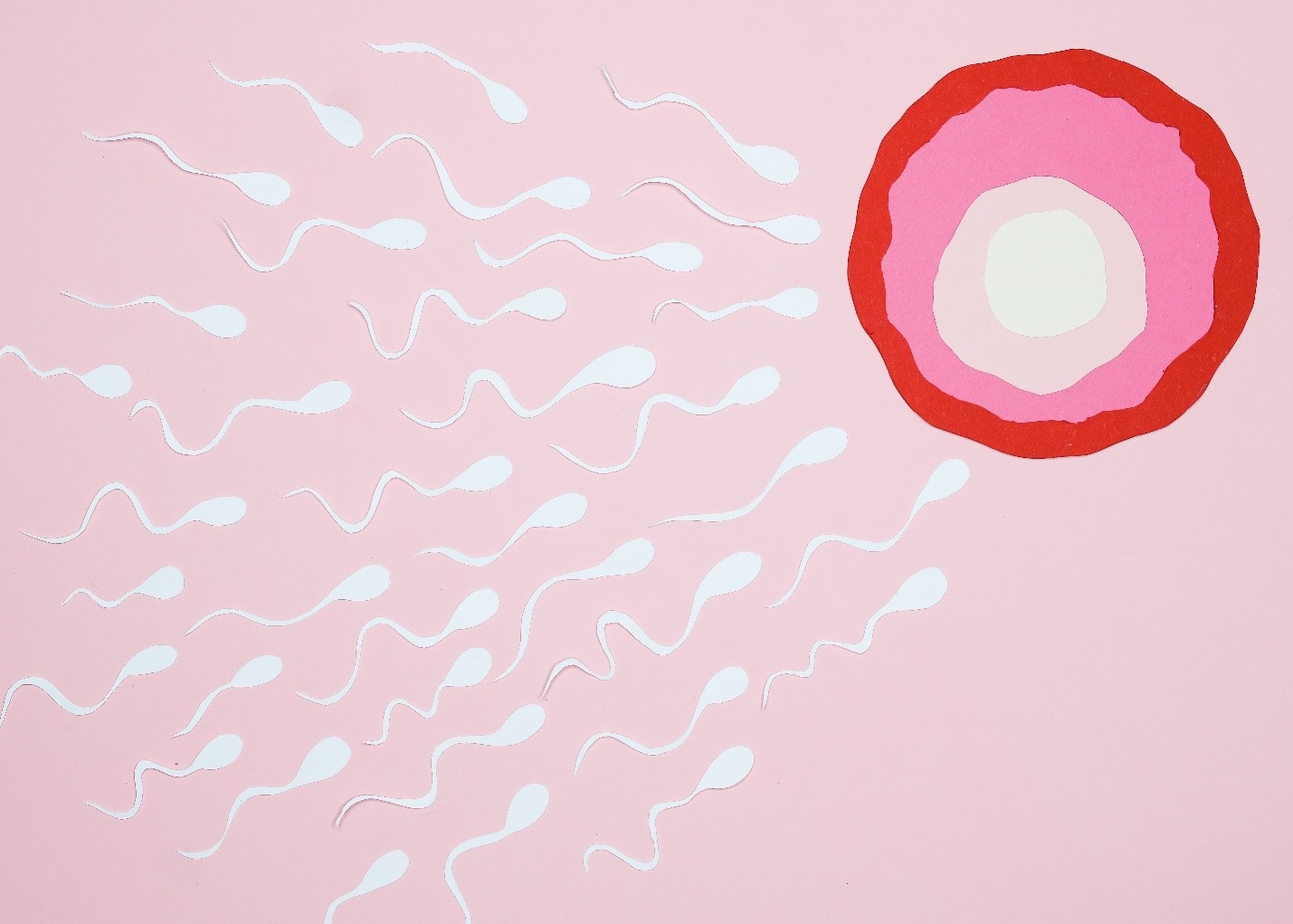
We can begin with the explanation of the fertility definition, speaking about your natural potential to conceive a child. The fertility meaning in medical language refers to the ability of a person or a couple to have a child or children by engaging in normal sexual activities without using any form of contraception. There are numerous issues that may influence fertility, including age, health status, lifestyle, and exposures in the environment.
In the case of females, fertility is highly related to hormonal periods controlling ovulation and men. Nevertheless, a problem arising regarding fertility baffles the explanation of the behaviour and nature of hormones. The key to knowing when it is the best time to conceive lies in knowing how these cycles work.
What is the Menstrual Cycle?
The most common menstrual cycle involves 28-32 days, which has the following four main stages:
Menstrual Phase (Days 1-5): It is the period during which menstruation takes place, as well as the period of the lowest hormone levels.
Follicular Phase (Days 1 to 13): Follicle-stimulating hormone (FSH) causes the ovarian follicles to grow. One of them will take over as the dominant egg.
Ovulation (Day 14): The egg that has matured leaves the ovary. This window is the most fruitful one, and it typically lasts between 12 hours and 2 days.
Luteal Phase (Days 15-28): Due to the increase in progesterone, the lining of the uterus prepares itself to receive an egg cell. When fertilisation fails, the level of hormones decreases, and the cycle is repeated.
Understanding Your Fertile Period
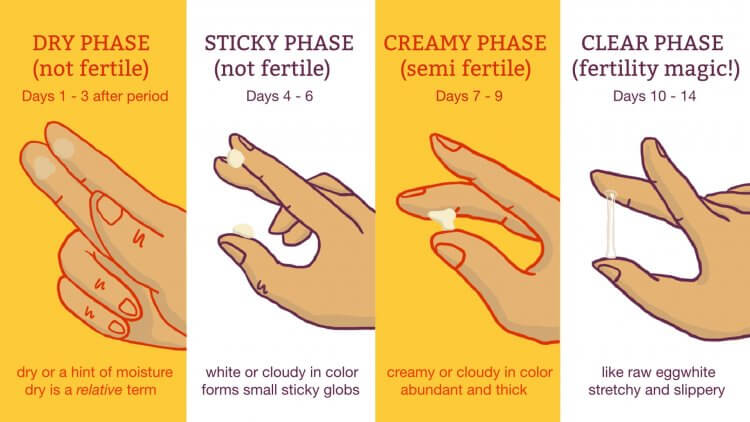
Your chances of becoming pregnant will be the highest during ovulation and the days before ovulation. In general, this fertile window is during the range of Day 11 to Day 16 of your cycle, regardless of its length and regularity. These days can be identified with the help of physical symptoms such as cervical mucus (occurs in connection with ovulation, due to which it becomes more shiny and smooth) and ovulation prediction kits.
Ways of Natural Fertility Monitoring
Monitoring your fertility naturally saves money and is non-invasive. The following are a few of the basic common natural fertility awareness practices:
Basal Body Temperature (BBT): You should take your temperature in the morning. A mild increase means that ovulation has taken place.
Cervical Mucus Tracking: The mucus tracks your fertility and becomes slippery and clear a few days before ovulation, giving your sperm its chance to be mobile.
Calendar Method: Information about your fertile days can be foreseen with the help of past cycle data.
Fertility Apps: This technology, such as the Embrace Period tracking app, can assist you in monitoring symptoms, temperature, and experiencing your cycles.
When Is It Time to Consider a Female Fertility Test?
After a year-long (or half a year when you are 35 years old or older) attempt at conceiving, you might want to see a doctor. A female fertility test can consist of:
Blood Tests: To assess the levels of such hormones as FSH, LH, estrogen, and progesterone.
Ultrasound: examines the uterus and ovaries.
Ovulation Testing: Detects an increase in the level of hormone to indicate ovulation.
Hysterosalpingography (HSG): An X-ray to examine the presence of clogs in the fallopian tubes.
Successful fertility treatment is likely to be achieved when the diagnosis is done early.
How to Interpret Fertility Signs Properly?
Fertility Tips: What is Under Your Control
Female and male fertility rely heavily on lifestyle choices. The following are significant fertility tips:
Take Well Balanced Diet
To boost ovulation, your body should have sufficient nutrients to sustain a balanced cycle of your hormones. Foods that contain a lot of folate, iron, omega-3 fatty acids and antioxidants are particularly beneficial.
Have a Healthy Weight
Overweight and underweight problems can interfere with the hormones.
Exercise Regularly
Fertility exercise such as walking or swimming, as well as yoga, is effective in the reduction of stress and normalised hormones. Nevertheless, do not engage in too much or strenuous exercises that will interfere with your period.
Caffeine and Alcohol Limitation
Intensive use of caffeine and alcohol can be a fertility suppressor, hence the idea of moderation.
Avoid Toxicosis and Tobacco
Environmental-toxin exposure and smoking are harmful to reproductive health. Clean, safe surroundings should always be preferred, and smoking must be abandoned to improve results.
Options of Fertility Treatment
In case the use of natural methods fails, one may be unable to get medical help. The usual forms of fertility treatment are:
Ovulation Medicine: Clomid is a kind of medication that induces ovulation.
Intrauterine Insemination (IUI): The sperm is directly inserted into the Uterus.
In Vitro Fertilisation (IVF): It involves fertilisation of the eggs outside the body and implantation of the eggs in the uterus.
ICSI: This method is used where male infertility is present. This is when there is the direct insertion of sperm into an egg’s cytoplasm; hence, this way it bypasses the natural process of fertilisation.
Such treatments are normally targeted at the root cause of infertility; hence, the diagnosis should be made early.
Final Thoughts
Learning about fertility is not just about learning when to engage in intercourse; it is getting in touch with your body, reading changes in balance and setting out with the purpose of achieving reproductive health. Education is your best friend, whether you are taking your first steps or are checking out medical possibilities.
A combination of natural fertility techniques, healthy lifestyle and fertility treatments, in case they are necessary, will greatly increase your likelihood of getting pregnant.
FAQs
What is Fertility?
Fertility refers to the natural capability to conceive a child. It is based on the ability of an individual or a couple to get pregnant effortlessly without using medical aid.
When is the Best Time to Try for a Baby?
You have the highest chances of pinpointing during your fertile window, which is usually five days before and including a day of ovulation, that is Day 14 of a 28-day cycle.
Can Diet Affect Fertility?
Indeed, good nutrition that is rich in nutrients such as folate, iron and omega-3 fatty acids helps in hormonal balancing and ovulation, which is the key to fertility.
What Are Common Fertility Treatments?
The treatment options are usually medicines and ovulation-stimulating medicines, intra-uterine insemination (IUI), in vitro fertilisation (IVF), and intracytoplasmic sperm injection (ICSI).
Can Stress Reduce Fertility?
As a matter of fact, chronic stress may interfere with the hormone balance and also delay ovulation as well as the overall reproductive health.