Menstrual health is an important component of the overall health of a woman, yet misunderstood or ignored in some cases.
Menstrual disorders may affect the quality of life of a woman enormously, starting with irregular periods and ending in painful cramps. These disorders not only present a nuisance, but there is a possibility of a more serious health condition.
Through this blog, you will learn about the symptoms, causes, and how to treat menstrual period disorders. That will in turn enable you to acquire a better knowledge about the working of your body, as well as giving you better control of your reproductive health.

What Are Menstrual Disorders?
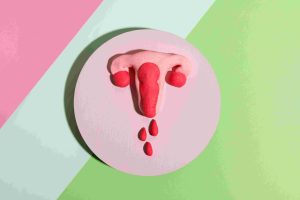
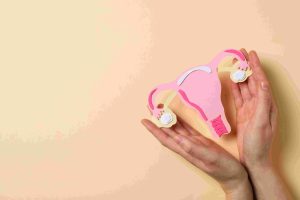
Menstrual disorders can be considered a set of disorders that influence a normal menstrual cycle of a woman. The symptoms can vary, such as irregular, missed, or painful periods, or heavy periods. It is not only physical discomfort that indicates something is wrong, but it can also be a hint at some health matters, such as hormonal imbalances or reproductive disorders.
Among the most popular menstrual cycle disorders may be listed:
- Amenorrhea (lack of menses)
- Dysmenorrhea (painful periods)
- Menorrhagia (heavy menstrual bleeding)
- oligomenorrhea (Infrequent periods)
- Premenstrual Syndrome (PMS)
- Premenstrual Dysphoric Disorder (PMDD)
Menstrual Period Disorders Symptoms
The symptoms depend on the kind of disorder menstrual cycle that you are having. But popular symptoms are:
- Heavy or light bleeding in an unusual manner
- Delays or missed menstruation
- Painful muscular cramps and pelvic pains
- Mood swings and rudeness
- Headaches and exhaustion
- The bloating and breast tenderness
In case these symptoms are frequently appearing or interfering with your daily life activities, then the situation should be discussed with a healthcare provider.
Reasons Behind Menstrual Cycle Disorders
The causes of menstrual disorders may be multiple, and defining the cause of the disorder is essential to successful treatment.
1. Hormonal Imbalances
Your cycle is controlled by hormones such as estrogen and progesterone. Period disorders can be caused by any kind of imbalance, whether in the form of stress, in the form of thyroid disorder, or in the form of puberty. Poor hormonal conditions can also give rise to a serious illness such as PCOS.
Find out more about PCOS (Polycystic Ovary Syndrome), which is the frequent reason of oligomenorrhea and irregularities in fertility.
2. Medical Conditions
A number of health problems may cause the abnormalities in menstruation, such as:
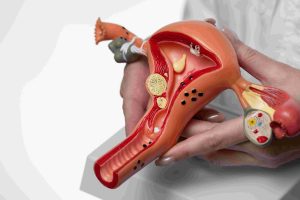
- Uterine fibroids
- Endometriosis
- Thyroid disturbances
- Eating disorders
- Pelvic inflammatory disease (PID)
3. Lifestyle Factors
Inadequate exercise, improper diet, obesity, and stress are also the other prominent factors behind the disordered menstrual cycle. These influence your hormones and ovulation, making your periods to be irregular or missed.
Can Menstrual Disorders Affect Fertility?
Infertility can be caused by menstrual disorders indeed. Other conditions such as PCOS, endometriosis, and imbalanced thyroids are likely to affect ovulation, hence failure to conceive.
Moreover, repeated irregularities could be a bad indication that your body is not releasing eggs on a regular basis, as required in the process of getting pregnant.
Any woman who is trying to conceive must keep track of her cycle to remember, and a doctor should be contacted in case an irregularity continues.
Treatment and Control of Menstrual Disorders
The choice of treatment for the disorders of the menstrual cycle is determined by the cause of the disease and the extent of the symptoms. The following are some of the typical approaches:
Lifestyle Changes
- Being of a healthy weight
- Eat a proper, balanced diet
- Deal with stress through activities that promote relaxation, such as yoga or meditation
- Have a good sleep and do not overwork
Medication
- Pain Relievers: NSAIDs such as ibuprofen would help deal with menstrual pains
- Hormone Therapy: It is prescribed when there is a severe imbalance of hormones
Surgical Options
When drugs fail, a surgical process such as hysteroscopy or laparoscopy may be necessary to treat fibroids or endometriosis.
Comfort Period Products on Menstrual Disorders
The products are usually necessary to manage the physical discomfort caused by menstrual disorders. In instances where women have excessive blood flows/long periods, wider sanitary pads and extra-long pads provide sufficient protection and comfort.
With such necessities, it is easy to keep hygiene and not panic during difficult cycles.
Conclusion
Since menstruation is the beginning of good reproductive health, it is necessary to understand it. Be it minor pain or a worse disorder of the menstrual period, your symptoms are worth attention.
Most women, when diagnosed and treated well and their lifestyles modified accordingly, can live with their period disorders comfortably and lead a healthy life. Y
However, you should remember that menstrual health also indicates your general well-being, and you should not ignore the signs.
Frequently noticed questions (FAQs)
What Are the Common Symptoms of Menstrual Disorders?
The common symptoms of menstrual disorders include heavy or light bleeding, irregular periods, terrible cramps, mood swings, and tiredness.
What Causes Irregular Menstrual Cycles?
Irregular cycles can be caused by hormonal imbalances, stress, thyroid diseases, PCOS, and daily aspects of the lifestyle such as diet or exercise.
How Can Hormonal Imbalances Affect Periods?
The hormonal dysfunction may cause ovulation interruptions resulting in missed period, late period, or heavy period.
What is the Difference Between PMS and PMDD?
Common symptoms of PMS are mood swings and bloating prior to periods, and PMDD is a serious condition that encompasses very strong emotional and physical symptoms.
Why Do Some Women Experience Heavy Bleeding During Periods?
Heavy menstrual bleeding may be due to hormonal problems, fibroids, endometriosis, or bleeding problems.
What Medical Conditions Can Lead to Menstrual Disorders?
Health factors such as PCOS, thyroid disorders, uterine fibroids, and endometriosis most of the time result in irregularity of the menstrual cycle.