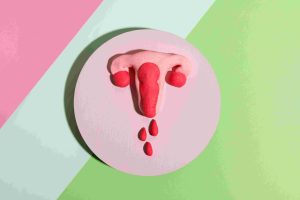
Has your menstrual cycle suddenly stopped sooner than expected?
Indeed, all women skip a period or have a short period at some point, and often they are left to wonder, “Why was my period only 2 days this month?” or “Is this a cause for concern?”
Although 3 to 7 days is normal, it’s not unusual for periods to be either shorter or longer. On some occasions duration of menses may vary due to stress, hormones, lifestyle, or a health condition.
Sit back and find what makes periods short, as well as when it is normal and when you should consult a doctor.
What Is the Average Period Cycle Length?
An average length of a period cycle is 28 days, and for a lot of women, it can be anywhere from 21 to 35 days. When we discuss menses length, the average number of days that people are on their menses is about 4-6 days. If your 3 days menstruation is lighter than normal, it doesn’t necessarily mean there’s anything to worry about. Some women have short periods naturally, while others may suddenly experience a shortened cycle.
However, if your menstrual cycle length suddenly shortens (including bleeding), you might want to pay attention to possible causes. Besides this, if you’re having lighter-than-usual flow, read our guide to Hypomenorrhea for more information, too.
What Causes Short Periods?
There are multiple factors responsible for what causes short periods, from normal hormonal fluctuations to health problems. Here are a few of the most likely reasons:
Hormonal Fluctuations
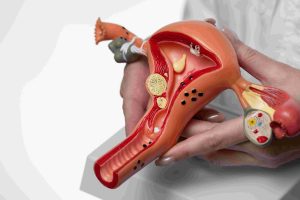
Your cycle is regulated by your hormones, namely, estrogen and progesterone. A small disruption and you can end up with lighter bleeding or shorter menses length.
Stress and Lifestyle Factors
Felt a sudden change in menstrual cycle length? If you are very stressed out, on an extreme diet or/and have a significant weight change can affect the length of your menses. Stress inhibits hormone production, which is why I had a 2-day period this month.
Age and Reproductive Stages
Irregular or shorter periods are common in young girls who have recently begun menstruating and women nearing menopause.
Pregnancy and Miscarriage
Sometimes what appears to be a short or 3 days menstruation is actually early pregnancy spotting. That’s why doctors advise taking a pregnancy test if you think you might be pregnant.
Birth Control Methods
Contraceptives, including hormonal birth control, can decrease or lighten menstrual flow. Some women have no more than a 3 day menstruation after commencing certain methods.
Underlying Health Conditions
Hypomenorrhea Conditions such as thyroid problems or polycystic ovary syndrome (PCOS) can trigger lighter, or short period.
Sudden Change in Menstrual Cycle Length: Should You Be Concerned?
An abrupt shift in menstrual cycle length may not indicate a serious problem, but it’s something to keep an eye on. If the length of your period changes abruptly and is consistently that way for a few cycles, see your doctor.
For example, jumping from a five-day span to always only having 3 days of menstruation may indicate that your hormones are fluctuating and signaling changes in your body due to lifestyle or health issues.
Besides this, support like the softest women pads makes handling short or light periods slightly easier at times, but don’t brush off dramatic changes if they continue.
How to Treat this Condition?
Having a short period can be confusing, but in most cases, you have no cause for concern. Assuming your doctor has diagnosed any underlying medical problems and those are not the issue, a few small lifestyle tweaks can go a long way to promote a healthy, balanced cycle.
Staying in tune with your body and practicing self-care reduces not only menses duration but overall well-being as well!
Tips for How to Regulate and Support a Healthy Cycle
Minimize Stress: Meditation, yoga, working out can relax your body and control hormones.
Diet: Consume a healthy diet, as eating healthy foods rich in iron, protein, and vitamins can help bring the energy back during a period.
Stay Hydrated: Adequate water intake can help circulation and encourage a more consistent flow.
Follow Your Cycle: You may be able to use a period-tracking app or journal to identify patterns in your cycle and catch any changes early on.
Consult a Physician: If you’re commonly asking yourself, “Why was my period only 2 days this month?”, professional advice is important.
When to See a Doctor?
While occasional short periods are probably nothing to worry about, pay attention if it continues for weeks: menstrual cycles should get back to normal after two or three months.
- Changes in cycle length with no cause
- Highly or very painful with a brief menses
- Heavy spotting between periods
- Highly irregular cycles and with short menstrual bleeding
- Concerns about fertility or pregnancy
Conclusion: Are Short Cycles Something to Worry About Then?
So, should you be concerned about a short period? For most women, a short cycle like 3 days menstruation is not really a problem. But if you’ve seen a sudden shift in the length of your menstrual cycle or ask yourself, “Why was my period only 2 days this month?” all too often, it could indicate an underlying condition. you should probably ask your doctor about it.
Your menstrual health is a key aspect of your overall well-being. Hence, tracking your cycle can help you recognize patterns early.
Remember, usually your body is trying to tell you that something isn’t quite right; it’s important to listen.
FAQs About Short Periods
What Does It Mean if My Period is Very Short?
A shorter cycle may be linked to hormones, stress, pregnancy, or birth control. It is typically normal but should be tracked.
Is It Normal to Have a Period That Lasts Only 2 or 3 Days?
Yes, it’s normal for some women to have a period for 3 days. It is only a concern if it deviates suddenly from what you’ve always done.
What Are the Common Reasons for Short Periods?
Hormonal imbalance, stress, contraceptives, pregnancy and hypomenorrhea (other health conditions) are some of the common reasons for short periods.
Can Stress or Lifestyle Changes Cause Shorter Periods?
Yes, stress, weight fluctuations and what you’re eating can all influence the length of your cycle.
Are Short Periods a Sign of Pregnancy?
They can be. Occasionally, spotting or slight bleeding can occur in early pregnancy. You should get tested if this is a concern.
Can Birth Control Make Periods Shorter?
Yes, several types of hormonal birth control will make your period shorter and lighter.
Do Short Periods Mean Low Fertility?
Not necessarily. Sometimes women have short periods naturally and conceive without a problem. But for those whose fertility is a worry, see a physician.