
Travel-Friendly Sanitary Pads: Stay Comfortable and Confident Wherever You Go
It can seem difficult to travel on your periods. If you’re traveling to work, going
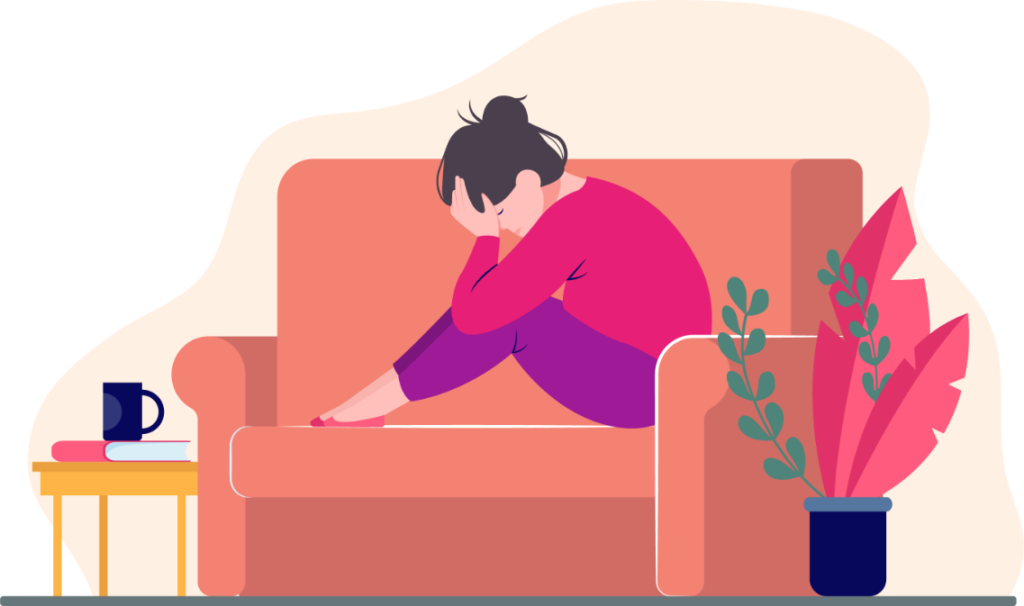
Seeing spots when you’re not expecting to can be confusing, and of course, a bit anxiety. So, what is breakthrough bleeding?
That’s bleeding or spotting in between your regular menstrual periods (or outside your regular menstrual cycle). It’s usually related to hormonal shifts, particularly if you’re using birth control, but it can occur for other reasons as well.
Bleeding between periods is not usually a cause for concern, but it can also be the only warning of a serious problem. For most women, it’s temporary and harmless. Still, knowing why it happens and when to address it in consultation with a doctor can give you peace of mind and an improved ability to manage the situation more effectively.

So many of us mix up unexpected spotting with a very light period, but the difference between breakthrough bleeding and a period is actually pretty significant.
A consistent period would have a regular cycle, and that lasts for a few days with moderate blood flow. So, what is Breakthrough bleeding? On the other hand, it is typically less heavy and unpredictable; it can be pink, brown, or very light red. This can take place at random times, even when you don’t expect your period.
Another difference is the cause. Your period blood is a natural product of your menstrual cycle, whereas breakthrough bleeding may be associated with hormonal shifts, medications, or changes in lifestyle.
So, understanding this difference can help you better track your cycle and describe any symptoms to a doctor, if necessary.
Recognizing the breakthrough bleeding causes is the first step to controlling it. Here are some of the common causes:
One of the most common triggers is starting, stopping, or missing doses of birth control pills with estrogen and progestin. It can take a while for your body to get used to a new level of hormones, especially if you are in the first 3-6 months.
Spotting is a common side effect of both hormonal and copper IUDs, especially in the first few months after you have one inserted.
Stress or quick changes in weight, with thyroid and other health issues such as PCOS, can also throw hormones off balance and cause an unexpected bleed.
Even Implantation bleeding or early pregnancy can be confused with Breakthrough bleeding.
STIs, cervical inflammation, fibroids, or polyps can also make you bleed between periods.
On lighter spotting days, many women like reliable protection such as Maxi Thick pads, which give them comfort and confidence without irritation, especially when bleeding is unpredictable.
Breakthrough bleeding is not the same for everyone. Common symptoms include:
Unlike your regular period, breakthrough bleeding typically doesn’t involve a heavy flow or severe cramps. But when the symptoms seem very different for your own particular body, it pays to be attentive.
Certain women are more likely to to breakthrough bleeding. Common risk factors include:
Began or changed hormonal contraceptives in the past few months
Understanding your own risk factors can help you predict change before it occurs and act on that change before it’s too late.
One of the top questions is how long does breakthrough bleeding last? The answer varies.
For most women, it can last anywhere from a few hours to a few days. When associated with new birth control, it can ebb and flow for a few months before smoothing out. The occasional spotting is likely not something to worry about, but bleeding that remains past a week or that comes and goes more often may require medical attention.
If you’re asking how long it takes for breakthrough bleeding to stop in your own situation, descriptions of your cycle, the medication you are taking, and any symptoms will help your doctor identify the underlying problem.
Your approach to managing breakthrough bleeding will largely depend on what is causing it. Common approaches include:
If hormonal, your doctor can adjust the dose of the pill, the type you’re on, or search for an alternative way to deliver hormones.
Stress reduction, cessation of smoking, and a healthy diet may help to stabilize hormones.
Infections, thyroid disease, or gynecological problems may need to be addressed and treated in order for bleeding to stop.
Sometimes there’s no treatment at all, just watching. Recording a cycle diary help in identifying patterns and triggers.
Spotting once in a while can sometimes be perfectly normal, but there are instances when you might want to talk with your doctor. When to be concerned about breakthrough bleeding: When you are on your period while taking birth control, consult a doctor.
Trust your instincts. If something seems wrong, and doesn’t feel like your normal cycle, better get checked.
Breakthrough bleeding may seem disturbing, but in most cases, it’s your body reacting to hormonal shifts or temporary alterations. By learning what breakthrough bleeding is and its common causes, and when to ask for help, you can deal with it in confidence instead of fear.
Your cycle is a window into your health, listening to it is always the smart choice.
It can seem difficult to travel on your periods. If you’re traveling to work, going

Heavy Periods can be tough to manage. Nobody wants to be standing at work or

A good night’s sleep is possible with the right pad only! Nothing interrupts the peaceful

A good sanitary pad can be the difference between a comfortable day and being miserable.
It can seem difficult to travel on your periods. If you’re traveling to work, going
Heavy Periods can be tough to manage. Nobody wants to be standing at work or
A good night’s sleep is possible with the right pad only! Nothing interrupts the peaceful
A good sanitary pad can be the difference between a comfortable day and being miserable.