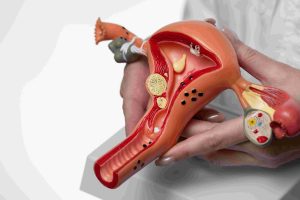
One of the most common health problems that a woman has at least once during her life is a yeast infection. Moreover, it can be extremely uncomfortable and disturbing when not treated. Being aware of the causes of yeast infection, the symptoms of the yeast infection and how to treat yeast infection can help a woman recover fast and avoid its recurrence.
This resource will take you through all the basics of vaginal yeast infection, including the reasons behind it, how to diagnose it, yeast infection treatment, and what indicators to expect to heal.

What is a Vaginal Yeast Infection?
Vaginal yeast infection is an excessive growth of Candida, a fungus that exists in the vagina. In normal circumstances, the yeast would be held in check by the healthy bacteria, and once this is lost, the yeast multiplies and infects.
It is also significant that the infection of yeast is not a sexually transmitted infection (STI), although sex can sometimes provoke it.
Yeast Infection Causes
There are a number of factors that may upset the natural vaginal balance and cause yeast overgrowth. Images of common causes of yeast infection include:
Antibiotics: these destroy both the good and bad bacteria, weakening natural defenses.
Weak immune system: Other illnesses, such as diabetes and HIV, put one at risk.
Hormonal fluctuations: Pregnancy, birth control pills and menopause may cause vagina levels to change.
Fitted clothes: They hold water and heat, which gives a room for yeast to grow.
High sugar diet: Yeast is stimulated by surplus sugar.
Uncontrolled diabetes: High levels of blood sugar feed on yeast.
However, the initial step of prevention is knowledge of these causes.
Yeast Infection Symptoms
Awareness of these yeast infection symptoms will help in the timely treatment and diagnosis of the condition. The most common include:
- Itching or irritation of the vagina and the vulva that is persistent.
- Discharge (usually odorless) is thick, white, and cottage-like.
- Raised redness and swelling of the vaginal area.
- Pain in the urine or during intercourse.
- Vaginal soreness or rash
These are some of the telltale signs, but the symptoms can be different. Without treatment, there is a possibility that the infection can deteriorate, leading to more discomfort.
Diagnosis of Vaginal Yeast Infection
When you have the symptoms of an above-mentioned yeast infection, you should not immediately self-diagnose since other infections, like bacterial vaginosis or urinary tract infection (UTIs), can also produce the same symptoms.
A vaginal yeast infection can be diagnosed by doctors as:
- Looking at your medical history.
- Performing a pelvic exam
- Taking a vaginal swab to test for yeast with a microscope.
- A proper diagnosis means that you will get the proper treatment.
How to Treat a Yeast Infection
After diagnosis, the question arises as to the treatment of a yeast infection. Treatment varies depending on the severity, frequency and the first infection or recurrent infection.
Non-Prescription Antifungal Creams and Suppositories.
Most often used internally in the vagina during 1-7 days.
Additionally, antifungal medication, including miconazole and terconazole.
More severe infections are commonly treated with fluconazole (a single-dose pill).
Home Remedies to Treat Vaginal Yeast Infection
Medical treatment is necessary, but supportive care can contribute to alleviating discomfort:
- Everyone should be wearing breathable cotton underwear.
- It is important not to use scented soaps or harsh products.
- Having a dry, clean vaginal area.
- Wearing Sensitive extra-long pads during periods to prevent irritation
Yeast Infection Healing Signs
It is just as important to know when you are improving as it is to know when you are ill. Healing signs of common yeast infection include:
- Itching and burning slowly diminish.
- Vaginal discharge returns to normal.
- Redness and swelling reduce
- Pain free during urination and sex.
Yeast infections can only start to improve in a few days of treatment, and recovery normally takes a week.
Vaginal Yeast Infections Preventions
The key factor to preventing recurrent infections is prevention. Follow these tips:
- Wear loose breathable clothing.
- Do not get damp or wet (e.g., sit in damp swimsuits)
- Limit sugar in your diet
- Good intimate hygiene.
- Use antibiotics that are not necessary.
- Change sanitary pads often to keep yourself clean.
Minor lifestyle adjustments, only when needed, will help a great deal in eliminating the risk of contracting a yeast infection.
UTI vs Yeast Infection: Are they Different?
Most women confuse yeast infections with urinary tract infections (UTIs) because they both involve the genital area. But they are not alike:
Yeast infection symptoms: irritation, thick discharge, and itching.
UTI symptoms: pain during urination, urge to urinate too often, and smoky urine.
When you know the distinction, you will make the right choice of treatment.
FAQs on Yeast Infections
What Causes a Vaginal Yeast Infection?
Candida (fungus) overgrowth leads to a vaginal yeast infection, which in most cases is caused as a result of antibiotics, hormonal changes, or a compromised immune system.
What Are the Common Symptoms of a Yeast Infection?
The most frequent symptoms of yeast infection include itch, redness, thick white discharge, burning on urination, and vaginal discomfort.
How Is A Yeast Infection Different From A Urinary Tract Infection (UTI)?
Yes, they both are different. A yeast infection leads to itching, discharge, and a UTI leads to painful urination, frequent urination, and pain in the bladder.
Can Yeast Infections Go Away on Their Own?
Although in mild cases the condition might cure itself, medical intervention accelerates healing and prevents the progression of the illness.
What Are the Treatment Options for Vaginal Yeast Infections?
There are over-the-counter antifungal creams and prescription oral medications, as well as changes in lifestyle.
How Long Does It Take for a Yeast Infection to Clear Up?
In most cases, in 3-7 days, with the severity and the type of treatment.
What Are the Signs That a Yeast Infection is Healing?
Reduction in itchiness, reduction in discharge and swelling are important indicators of healing of the yeast infection.
Can I Treat a Yeast Infection at Home?
Yes, these mild infections can sometimes be treated using OTC antifungal creams, better hygiene and breathable clothing. But a doctor should examine persistent symptoms.
Conclusion
Vaginal yeast infection is not a new condition and can be treated when you learn the causes, symptoms, and treatment. The trick is to be able to identify the symptoms of yeast infection at the earliest, find the appropriate yeast infection treatment and watch the signs of yeast infection healing.
Women can stay comfortable and prevent recurrence with timely care, lifestyle changes and preventive measures. Keep in mind: when symptoms cannot be taken away or repeated regularly, ask your doctor to design a specific treatment.
To be more comfortable even on sensitive days, you can use Sensitive Extra Long Pads, which help keep you irritation-free and help with better hygiene.